Bishop Marvin Sapp is pushing back against the online criticism that has followed pastors over church money, and his latest message is aimed directly at the bloggers and content creators who keep the debate going.
In a new video highlighted by the YouTube commentary channel Joy105 this week, titled “Marvin Sapp Says Stop Accusing Pastors Of Taking Your Money!”, Sapp challenges those who frequently question pastors about church finances. According to Joy105’s description of the video, he wants to know why organizations such as The Salvation Army, which receive donations and provide community services, do not face what he considers the same level of online scrutiny.
The description also says Sapp addresses criticism of pastors more broadly, along with ministry responsibilities and churches closing across America. It ends with a question for viewers: should churches and other charitable organizations face the same level of financial scrutiny?
That framing matters, because the new video is not presenting a new financial accusation against Sapp. It is presenting his response to an accusation culture — a debate about who gets questioned, how loudly, and on what evidence.
Why the money question follows Sapp
To understand why Sapp’s pushback lands the way it does, it helps to remember the clip that made his name central to this debate in the first place.
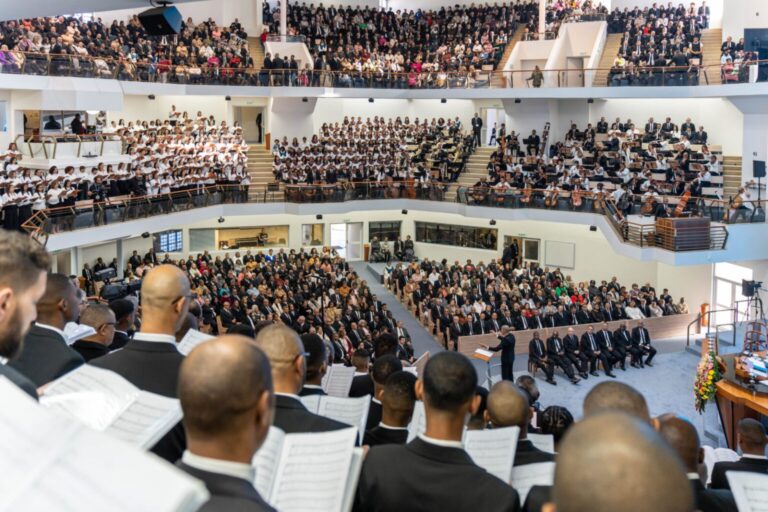
In March 2025, a video circulated widely showing Sapp during an international gathering at a convention center, challenging people in the room and online to give. In the clip, he spoke of 1,000 people in the sanctuary and 1,000 people watching online, each giving 20 dollars, for a total of 40,000 dollars. He also challenged leaders on stage to give 100 dollars each, saying, in his words, that it costs to sit up there.
The moment that drew the most reaction was his instruction to ushers to close the doors during the offering. Critics online described it as pressure, and some called it holding people in the room until the money was raised. Supporters said the reaction missed the context of a conference offering, where closing the doors is a familiar practice in some church traditions to create focus during a sacred moment.
Sapp responded publicly after the clip went viral. In a written statement reported at the time, he said his directive was not about control, but about creating what he called a safe, focused and reverent environment for those choosing to give and for those handling the resources. He said conferences have budgets, churches have budgets, and people have budgets, and that as the assigned ministerial gift for that international gathering, one of his responsibilities was to help raise the conference budget.
“That’s not manipulation, it’s stewardship,” he wrote, in the statement.
He also appeared on The Ricky Smiley Morning Show, where he apologized for his tone, saying it may have been a little more assertive than it should have been. He said no one was locked in the convention center, and that he never personally took a dime from the money raised that day, according to reporting on that appearance.
That history is why the new video is not happening in a vacuum. When Sapp talks about pastors being accused of taking people’s money, he is talking, in part, about a label that has stuck to him since that clip, even after his explanation.
The Salvation Army comparison
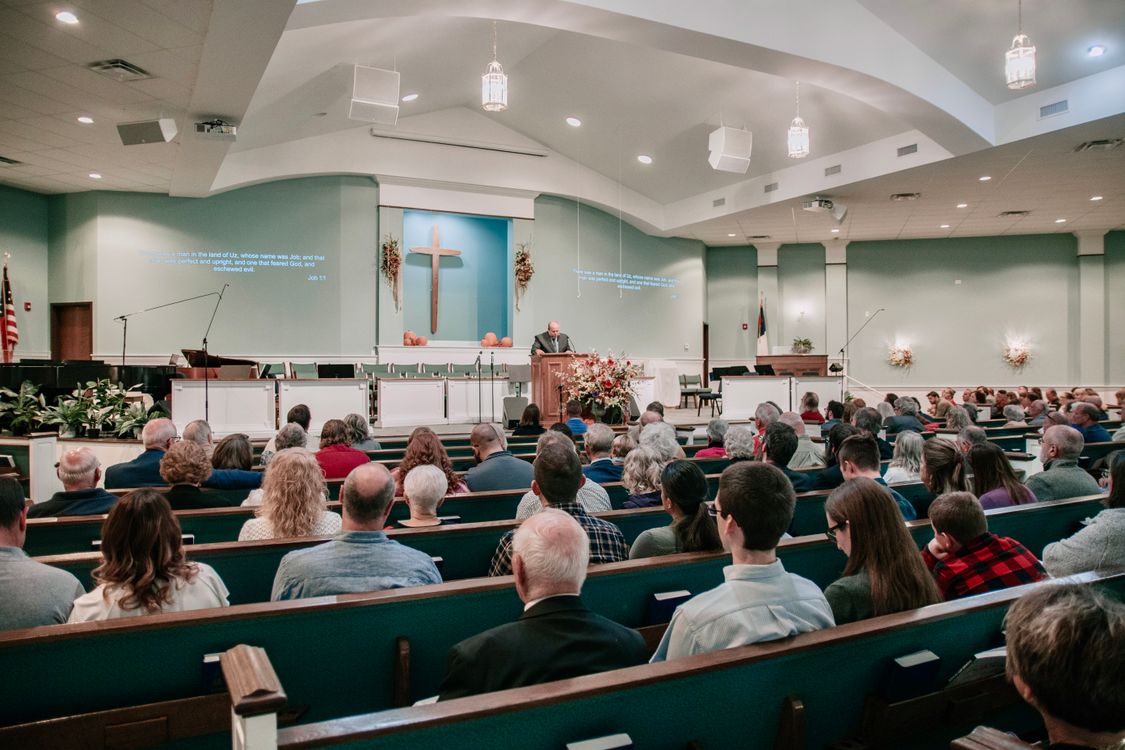
The sharpest part of Sapp’s new argument, as described by Joy105, is the comparison itself.
The Salvation Army is a large, well-known charitable organization that receives donations from the public and runs community services, shelters and disaster relief work. It is not a local church, and it does not carry the same pulpit-and-offering image that a pastor does. Sapp’s question, as framed in the video description, is why an organization like that does not draw the same kind of viral scrutiny that pastors do when they ask a congregation to give.
The comparison will not settle the debate, and it is not meant to. Critics of the comparison will argue that a large charity and a local church are not the same thing: charities publish annual reports, face different regulatory expectations, and do not ask people to give as an act of worship in a service. Supporters of Sapp’s point will argue that the principle is the same — money is being trusted to an institution, and the public should apply its skepticism evenly, not only to the figures it already distrusts.
What the comparison does reveal is the real fault line in the Black church money debate. It is not only about whether a particular offering was handled well. It is about trust, and about whether that trust is broken by a pastor’s tone, by a lack of transparency, or by a clip that travels without context.
Churches closing, and the cost of ministry
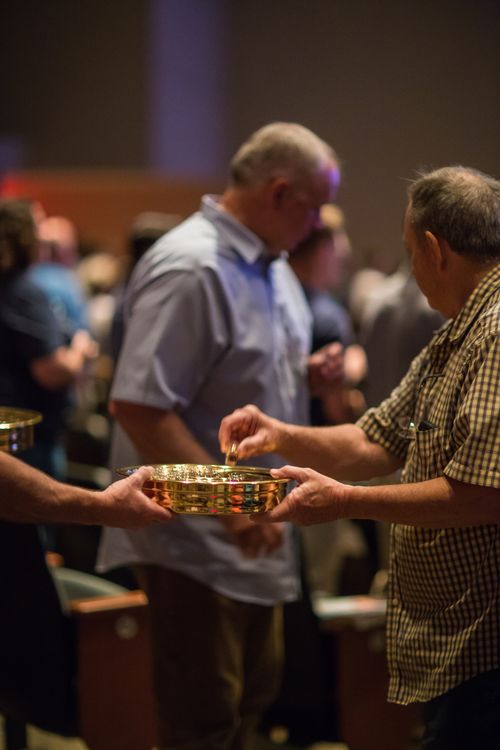
Joy105’s description also says Sapp addresses churches closing across America, alongside ministry responsibilities. No figures are given in the description, and this article does not add any.
The point, in context, is a broader one. A church that closes is not only a building that goes dark. It is a congregation that loses its meeting place, a pastor who loses a ministry base, and a community that loses a hub for funerals, food programs, youth work and crisis support. When Sapp links criticism of pastors to churches closing, he is arguing that constant public attack has a cost beyond reputation — it can weaken the very institutions people are asking to be more accountable.
Critics will hear that argument differently. They will say churches do not close because bloggers criticize them. They close because of falling attendance, financial pressure, leadership failure, or a loss of trust that began long before a video was posted. From that view, scrutiny is not the cause of decline. It is a symptom of a trust problem that churches have not yet fixed.
Both views can be true at the same time, and that is why the debate keeps returning. Pastors need money to run ministries. Congregations need to know where that money goes. And in an age when a 30-second clip can define a ministry, the space between a legitimate question and a damaging accusation has become very small.

A gospel artist who became a pastor
Sapp is not only a pastor in this story. He is one of gospel music’s most recognizable voices, best known for the song “Never Would Have Made It,” a career that has given him an audience far beyond any single congregation.
He has served as senior pastor of Chosen Vessel Christian Church in Fort Worth, Texas, since 2019, according to reporting on the church. He was previously married to the late Dr. MaLinda Sapp, who died in 2010, a loss he has spoken about publicly and that shaped much of his music and ministry in the years that followed.
That dual identity — recording artist and pastor — is part of why his comments travel. When a gospel singer talks about church money, the audience is not only church members. It is listeners, social media users and commentators who may never attend his church but who have an opinion about what a pastor should and should not ask for.
It also means Sapp faces a standard that many pastors do not. A local pastor’s offering appeal stays local. A famous pastor’s offering appeal becomes a clip, a meme and a debate, often stripped of the sermon, the setting and the purpose of the gathering.

What the new video does not do
It is important to be clear about what the new Joy105 video, as described, does and does not establish.
It does not, on the evidence reviewed for this article, present a new allegation that Sapp misused funds, a new financial document, or a new statement from a church finance team. The full sermon transcript was not reviewed for this article, and no new quotes beyond Joy105’s description are presented as Sapp’s own words here.
What it does establish is a position: Sapp believes the scrutiny applied to pastors is uneven, that bloggers and creators play a large role in shaping that scrutiny, and that the conversation should include charitable organizations that also receive public donations.
That position will divide readers, and it should. Some will agree that pastors are held to an unfair, clip-driven standard. Others will argue that pastors, precisely because they ask people to give as worship, should expect more scrutiny, not less — and that comparing a church offering to a charity donation misses the spiritual pressure involved.
The Gospel Report’s role here is not to settle that theological question. It is to report what Sapp is saying, what prompted it, and where the line sits between a verified fact and an online claim.
What to watch next
Several questions remain open after this video. Will Sapp release the full sermon behind the Joy105 clip, so viewers can judge his argument in its full context rather than through a description? Will creators who criticize pastors respond to the Salvation Army comparison directly, or will the debate move on to the next clip? And will any church or charity use this moment to publish clearer financial information, which is the one step that would answer both sides at once?
For now, the story sits where so many Black church controversies now live: not in a courtroom or a denominational hearing, but in a video title, a description, and a comment section, where a pastor’s pushback becomes the next round of the same debate.
The Gospel Report will continue to monitor the story and update this article if Sapp releases the full sermon or if a church, charity or creator responds with verifiable information.
About the Author