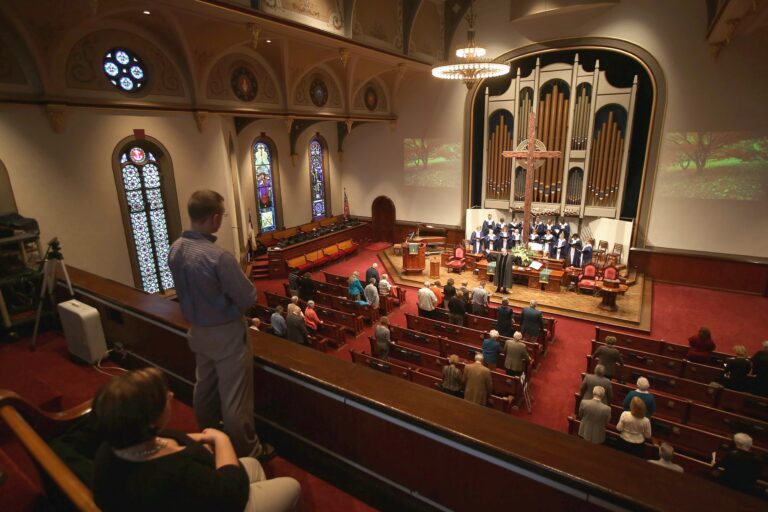
In three days, founders from across the country will start landing in Dallas with the same thing in their carry-ons: a business that needs something — capital, customers, or a plan. On Thursday, October 8, the Good Soil Forum 2026 opens its doors at the Irving Convention Center at Las Colinas for three days of working sessions, main-stage conversations, and a live pitch competition that will hand $500,000 to founders on Saturday morning.
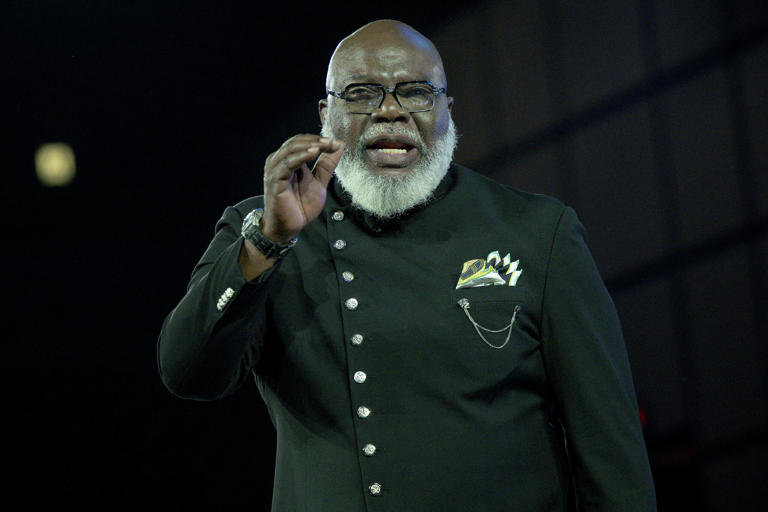
The event, founded by Bishop T.D. Jakes, has sold itself as the opposite of a sit-and-listen conference. With filmmaker and studio owner Tyler Perry topping the speaker bill, the draw is part star power and part sweat equity: attendees don’t just hear about business — they work on their own, in the room, on their own numbers.
Here is how the three days are built, what it costs to get in, and what first-time attendees should know before they arrive.
Thursday to Saturday: Discover, Build, Commit
Each day of the forum has its own assignment, and the program is explicit about the sequence.
Thursday is about discovery. Seven concurrent rooms open the forum, four of them structured as diagnostics rather than lectures. The stated goal for day one: every founder leaves having named the single constraint doing the most damage to their business — with evidence, not instinct.
Friday is about building. The rooms stop diagnosing and start installing. Founders draft ninety-second elevator pitches and get them critiqued by people who have heard thousands, build thirteen-week cash-flow forecasts on their own figures, and work through tax strategy, audience building, and trademark protection with operators standing over their shoulders.
Saturday is about commitment. The morning belongs to the pitch competition finals, and the forum’s final session turns the whole three days into a written, dated ninety-day plan — a short set of moves each attendee drafts sitting next to other founders working through the same questions.
Inside the Working Rooms: Four Tracks
Between the main stage, attendees choose from four tracks of breakout sessions, each aimed at a specific gap:
Clarity opens with the Bottleneck Diagnostic — a facilitated session where founders are questioned until they can name their real constraint in one sentence — plus workshops on pricing (“Is Your Price the Constraint?”), sales conversations with live role-play, and tax strategy.
Clients covers building a predictable revenue engine: owning an audience instead of renting one, running AI-assisted content and marketing without adding headcount, and turning a name and logo into protected assets through trademarks.
Capital + Cash tackles funding readiness — cash-flow forecasting for businesses that are profitable but cash-starved, pitch narrative drafting, and a second-day tax session that builds the position Thursday’s diagnostic identified.
Core Systems is the most hands-on of the four: a “Build It Live” hour in which every attendee follows along on their own screen and leaves with a working MVP, plus a practical look at AI agents for day-to-day operations — what they cost to set up and where they break.
A few sessions illustrate the format’s flavor. “Sales Conversations That Close” skips the pitch deck entirely and works on the conversation before the pitch, with real call reviews and live role-play. “The Audience You Own” brings in three operators who built audiences they control rather than rent, breaking down what they own, what it earns, and what each would rebuild from scratch. And “Ownership & Community Development” pushes founders a layer beyond the business itself — into owning the building, the block, and the system the business runs inside.
What Attendees Take Home
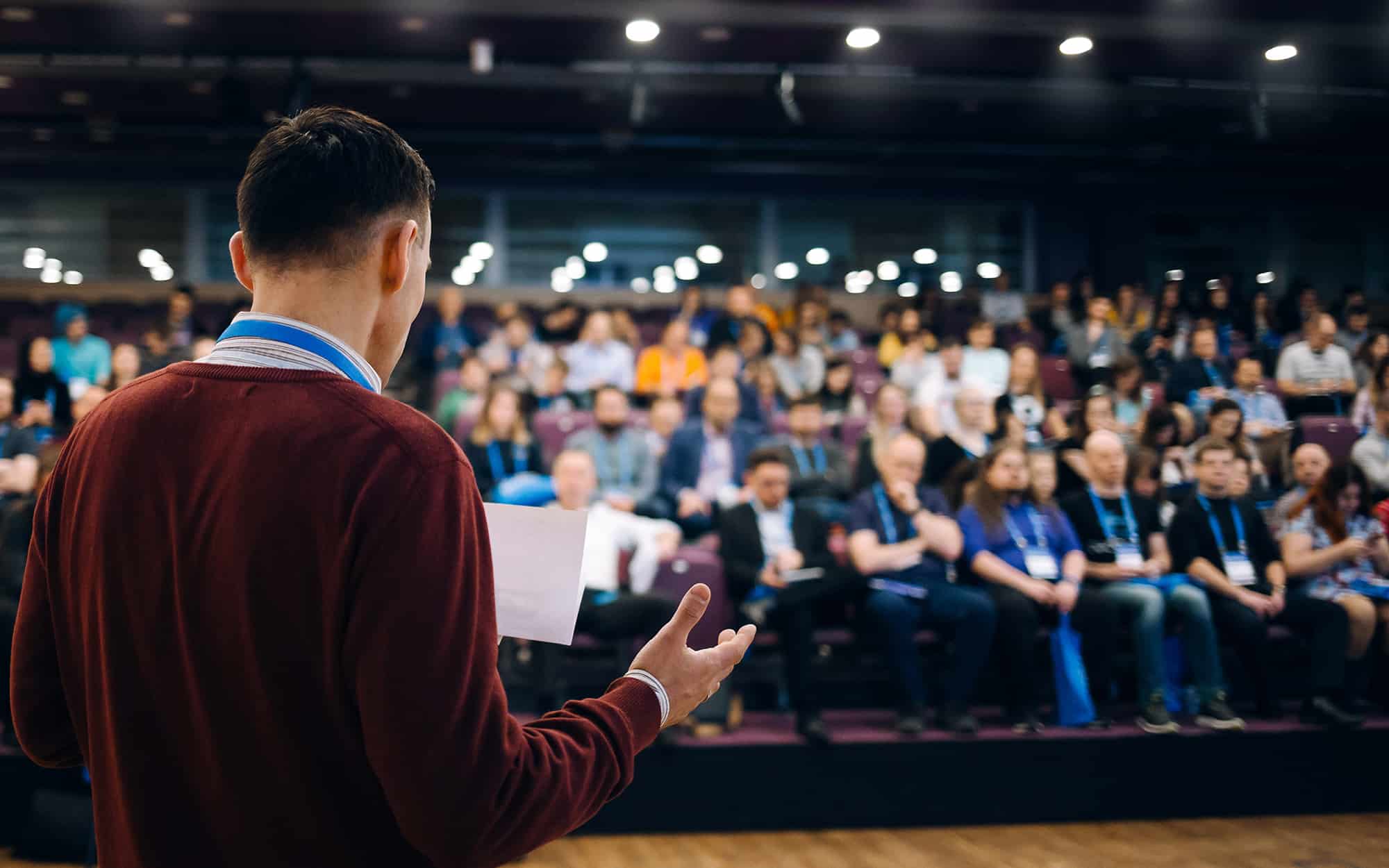
The forum is blunt about what a ticket buys, and it isn’t inspiration. The program lists concrete takeaways: the business’s real constraint, named in one sentence with evidence; a thirteen-week cash forecast built on the founder’s own figures; a working build that runs when they get home; a price tested against how buyers and investors actually value the business; a tax position the founder understands; a ninety-second version of the business that survives a stranger’s first question; and the dated ninety-day plan.
No one gets all seven — attendees leave with the three or four that match the rooms they chose. The premise is that specificity beats volume: a short list of things made in the room beats a notebook of ideas carried home.
Saturday at 10 a.m.: $500,000 Decided Live
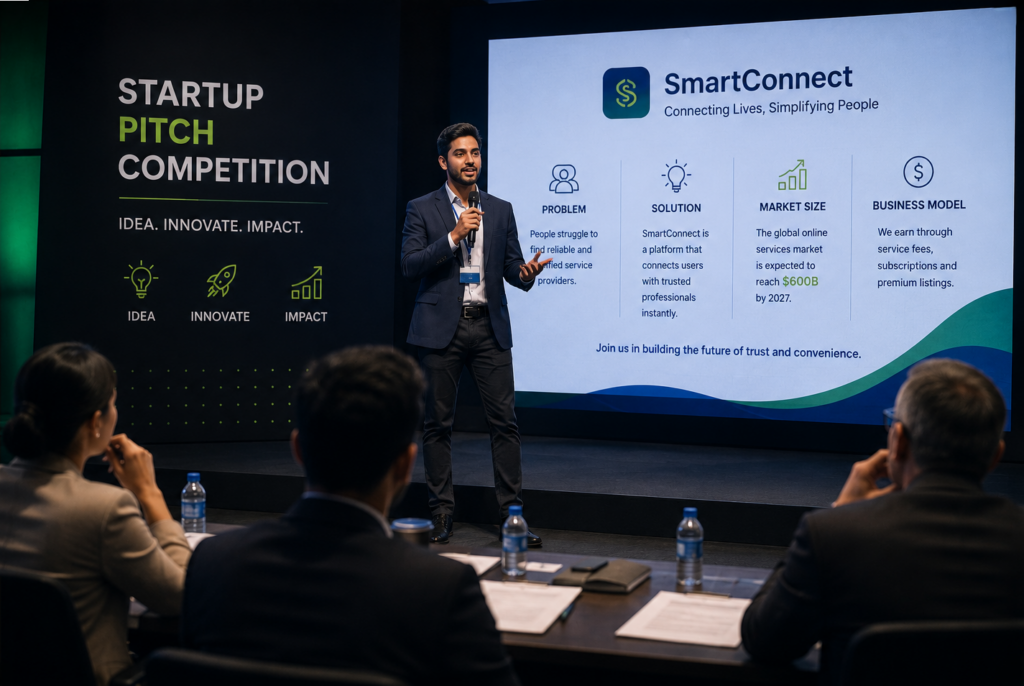
The pitch competition, presented by Wells Fargo for the second year running, reaches its climax on Saturday morning. Eight finalists — already selected after the application window closed on July 30 — will pitch live on the main stage across two tracks: Tech-Enabled, for seed-stage companies with a working product, judged on traction relative to stage and technical defensibility; and Non-Tech/CPG, for product and service businesses judged on soundness of plan and results to date. Both tracks weigh use of funds and presentation.
Semifinals take place Friday evening, narrowing the field before Saturday’s 10 a.m. finals. The awards are equity-free: founders keep full ownership of their companies, and every finalist takes home a prize, with the $150,000 Good Soil Award as the grand prize. Every pass holder in the building will be in the room when the checks are handed over.
The Business Case for Tyler Perry
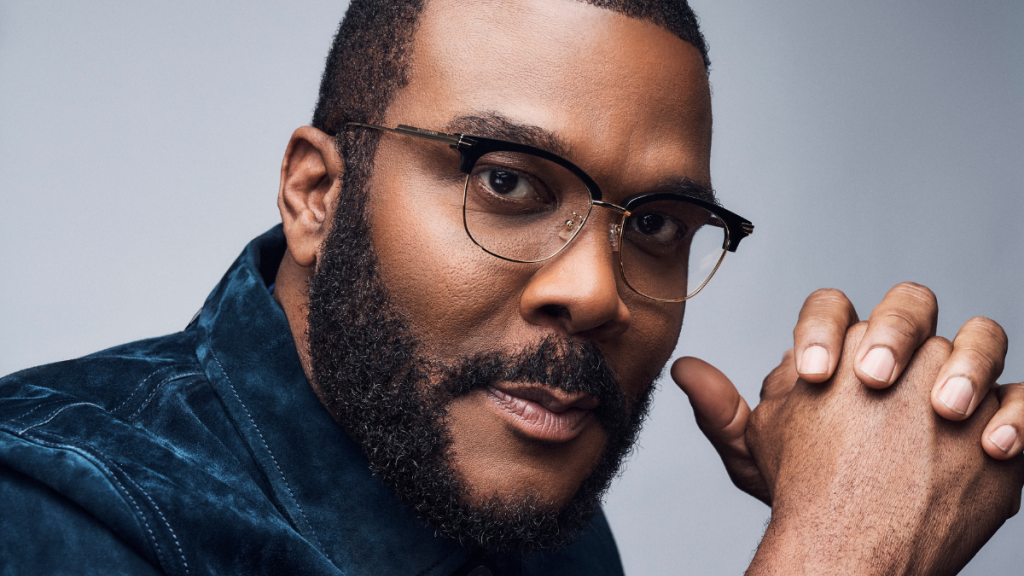
Perry’s billing as a featured speaker is about more than celebrity. As the owner of Tyler Perry Studios — a 330-acre production complex in Atlanta and one of the largest independent studios in the country — he arrives as a case study in the forum’s central thesis: building at scale without surrendering ownership.
He shares the stage with operators who have done the same in their own lanes: Operation HOPE founder John Hope Bryant on economic empowerment, University of Michigan professor and author Dr. Marcus Collins on culture-driven marketing, Stand Together chairman Brian Hooks, and newly announced additions including actors and entrepreneurs Boris Kodjoe and Nicole Ari Parker.
What It Costs to Get in the Room
Two ticket tiers are on sale. The Primary Pass, covering all three days and all four tracks, is listed at $349 with the code ACCESS150 — shown against a $499 standard price — at the time of writing, with Afterpay installment plans available at checkout. The Premier Pass at $1,299 adds priority seating, VIP check-in and lounge access, curated networking, a pre-show session with Jakes, select meals, and parking.
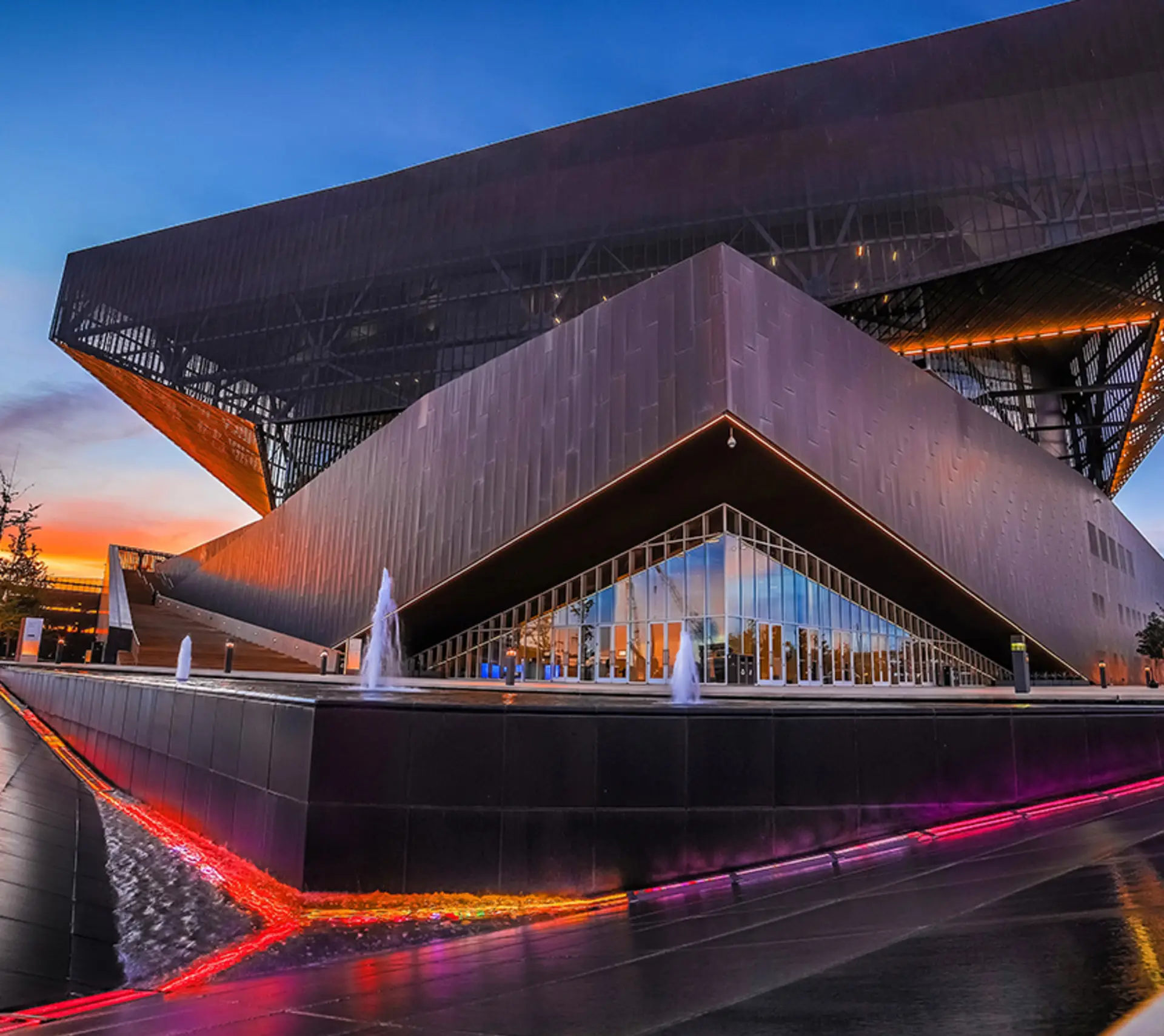
Logistics favor the out-of-towner: the Irving Convention Center at Las Colinas sits about twelve minutes from DFW International Airport and ten minutes from Dallas Love Field, with walkable hotels nearby. Organizers note that more than half of attendees over the past two years traveled in from across the United States.
Who’s Coming
The forum pitches itself to what it calls builders past a single paycheck — founders with an idea and no roadmap, businesses that stall when the owner steps away, side hustles, practices, consultants, and creators running two or three ventures at once. Sessions are sequenced by business stage rather than revenue, a deliberate choice meant to put a first-time founder and a seven-figure operator in the same working room.
After Dallas: The 90-Day Follow-Through
One of the forum’s less-publicized features is what happens after the weekend. Attendees carry their drafted ninety-day plans into the Good Soil HQ community, which checks in around day 30, 60, and 90. The point, organizers say, is not to grade anyone’s progress but to make sure nobody runs their ninety days alone — extending the proximity the three days in Irving are built to create.
Before Thursday: Last-Minute Prep
Registration remains open at the time of writing, with organizers noting limited space remaining and a countdown running on the registration page. Doors open Thursday, October 8.
For those still deciding, the program’s advice is practical: come prepared to work. Several sessions ask attendees to bring their real numbers — tax strategy workshops use actual figures, the cash-flow session runs on the founder’s own books, and the MVP build hour starts with a problem the attendee has been meaning to solve. The forum’s pitch is that you get out of the three days what you bring into the rooms.
Doors open Thursday. For the founders flying in this week, the preparation is nearly done; what remains is the work itself — three days of diagnostics, building, and decisions, ending Saturday morning with half a million dollars on a Dallas stage.
About the Author