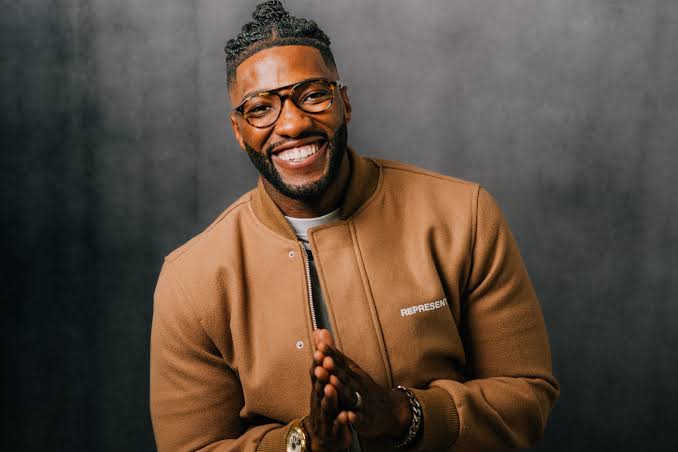
DALLAS, Texas — A former pastor of Full Gospel Holy Temple is publicly addressing his arrest in a new online video, adding another dramatic chapter to the months-long controversy surrounding Apostle Herman Murray and his Dallas holiness congregation.
Pastor John Halton, who previously served under Murray at Full Gospel Holy Temple, is the subject of a video titled “Pastor John Halton BREAKS SILENCE On Arrest Amid Apostle Herman Murray Controversy!” published by the YouTube commentary channel Joy105 on October 12, 2026. According to the video’s description, “Pastor John Halton former pastor at Full Gospel Holy Temple under Apostle Herman Murray is addressing his arrest.”
As of this writing, the specific charges behind Halton’s arrest, along with the date and circumstances, have not been independently confirmed through public records reviewed for this article. What is confirmed is that Halton — already a known figure in the ongoing public dispute over Murray’s ministry — has chosen to speak about the matter himself rather than let speculation fill the silence.
A Fallout That Played Out in Public
Halton’s break with Murray did not begin this week. In September 2026, he appeared in another Joy105 video, “Lifelong Full Gospel Pastor Breaks Silence On Apostle Herman Murray,” in which he discussed his fallout with the apostle and the Dallas church. According to that video’s description, Halton said the public reconciliation viewers had witnessed “was not what it appeared to be” and claimed “there is still much more he has not revealed.”
That earlier appearance positioned Halton as one of the most prominent former insiders to speak critically about Murray’s leadership. His decision to address his arrest now — rather than retreat from public view — suggests he intends to control the narrative around his legal troubles before others define it for him.
For a movement built on holiness preaching and strict church order, the spectacle of a former pastor explaining an arrest on YouTube is itself a sign of how thoroughly the controversy has escaped the walls of the sanctuary.
The Church at the Center: Full Gospel Holy Temple
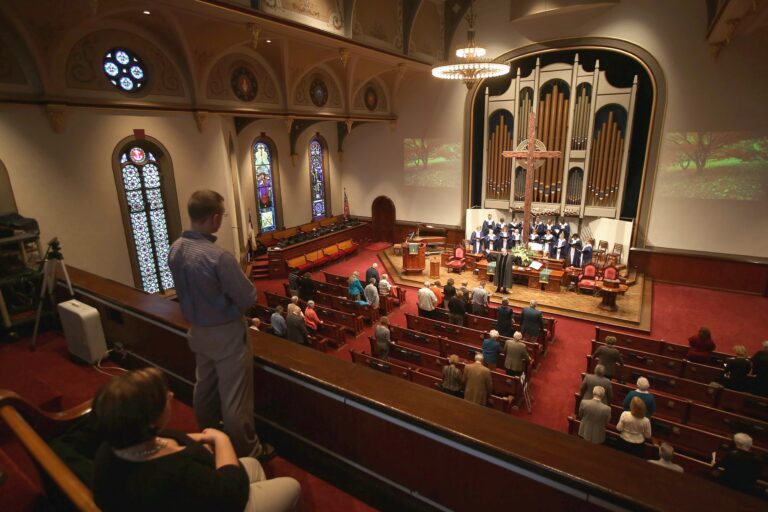
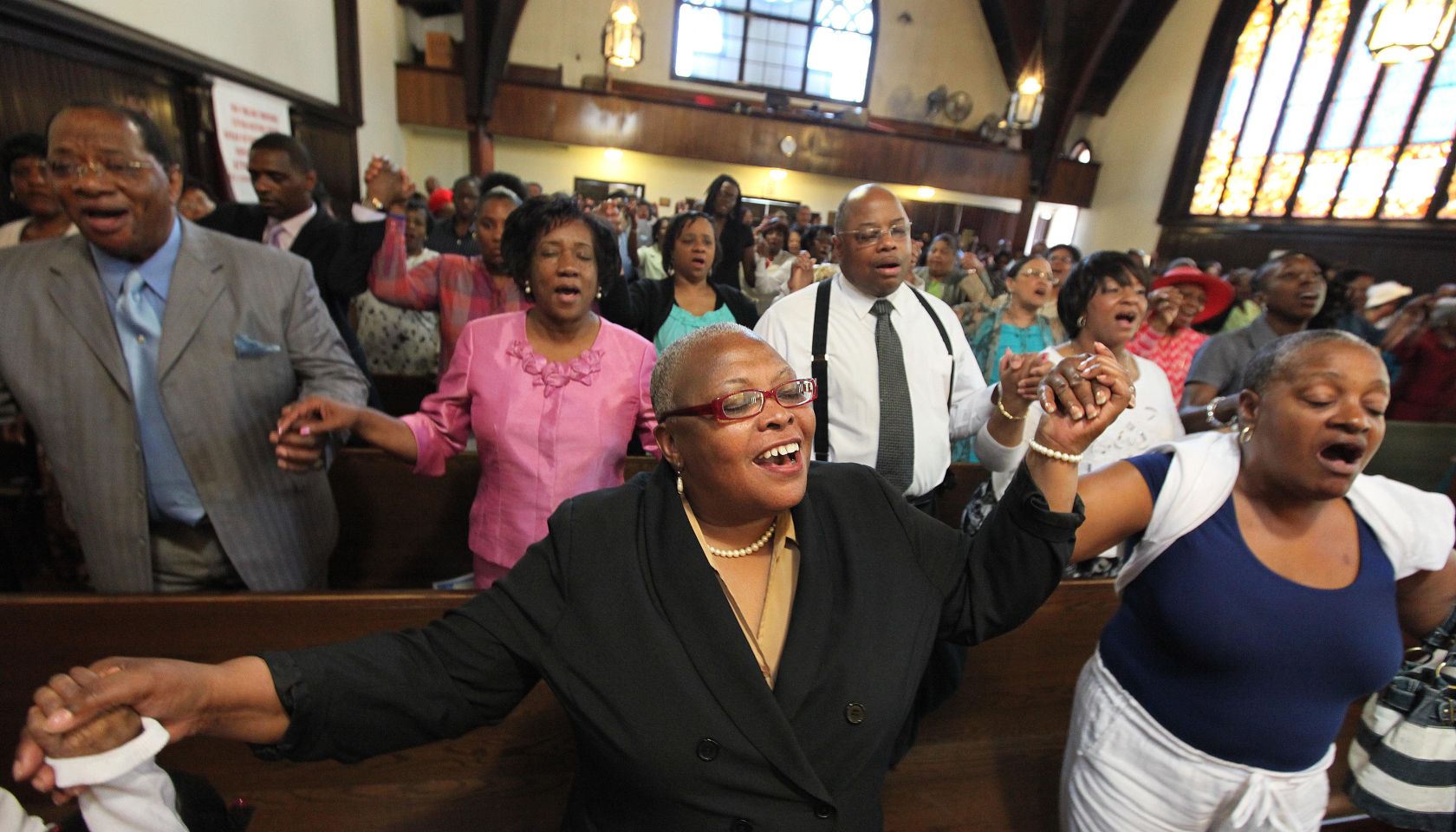
Full Gospel Holy Temple in Dallas, Texas, is a holiness Pentecostal congregation led by Apostle Herman Murray, a preacher known for his strict interpretation of Scripture and his confrontational style. Admirers credit him with powerful preaching and an uncompromising passion for holiness; critics describe an environment where questioning leadership is discouraged.
Murray has also become a fixture of online church discourse beyond his own congregation. He has publicly criticized other religious figures, weighed in on cultural and political issues, and drawn both fierce loyalty and fierce opposition. That high profile is part of why the current controversy has traveled so far: Murray is not an obscure local pastor but a nationally recognized voice in the holiness movement, and his name carries weight across Black church social media.

The church’s annual Holy Convocation — the gathering Urista said he attended 21 times — remains a major event on the holiness calendar, drawing members and visitors from across the country. How the controversy affects attendance, giving, and morale inside the congregation is difficult to measure from the outside, but the sheer volume of commentary suggests the dispute has become impossible for members to ignore.
It is worth repeating: none of the allegations against Murray or the church have been confirmed by authorities. Supporters maintain that the online campaign against him is driven by disgruntled former members and bad-faith actors. Until claims are tested by evidence, they remain claims — no matter how many videos repeat them.
The Murray Controversy: Months of Escalating Allegations
To understand why Halton’s video matters, it helps to retrace the controversy that has surrounded Apostle Herman Murray for much of 2026.
Over the summer, a woman who said she grew up in Full Gospel Holy Temple began posting what one commentary channel described as “daily allegations” involving Murray’s ministry. Church members pushed back, defending the apostle and accusing critics of spreading false information — a divide that has only deepened with time.
In August 2026, Murray himself addressed accusations that his church operated like a cult, responding to claims of brainwashing while warning pastors that social media was “feeding their members.” The response, covered by Joy105, marked a rare moment of direct engagement from a leader who had largely let supporters fight the battle online.
Former members have continued to come forward. Marco Urista, who said he attended 21 Holy Convocations as a member of Full Gospel Holy Temple, went live to respond to Murray and the church’s recent convocation. Urista said he did not hate the church or question its doctrine, but believed “accountability and hypocrisy must be addressed.”
Most recently, the channel Social Fire eCHURCH published “Apostle Herman Murray Under Fire: What Really Happened at the Temple?” — a video examining accounts from former members that it said raised “significant questions about leadership and conduct.” The video framed the moment as a test of church accountability, arguing that believers must weigh such reports with “truth and transparency” rather than emotion.
It is important to state clearly: the allegations against Murray circulate primarily through social media posts and YouTube commentary. They have not been confirmed by law enforcement or adjudicated in court, and Murray’s supporters vigorously dispute them. Readers should treat online claims with appropriate caution.
What Halton’s Arrest Video Does — and Doesn’t — Tell Us
The new video arrives at a moment when every development in the Murray orbit is instantly amplified by a network of commentary channels. Joy105, which has covered the controversy extensively, framed Halton’s statement as breaking news for its audience of church-news followers.
But the video’s packaging raises as many questions as it answers. The description offers no details about the nature of the arrest. Without public records or an official statement, it is impossible to say what Halton was arrested for, when the arrest occurred, or how — if at all — it connects to the dispute with Murray.

That ambiguity matters. In the fast-moving world of church YouTube, titles often outrun facts, and viewers can easily conflate a pastor’s personal legal trouble with the separate controversy surrounding his former church. Responsible coverage requires keeping those two threads distinct until evidence links them.
What can be said is this: Halton, a man who already told the public that his televised reconciliation with Murray was staged, is now using the same medium to get ahead of his own bad news. Whether that strategy earns him sympathy or skepticism will depend on what he actually says — and what can be verified.
The Bigger Pattern: Accountability in the Age of Church YouTube
The Halton episode is the latest illustration of a transformation in how Black church controversies unfold. A decade ago, a dispute between a pastor and his former congregation might have remained a local matter, debated in church parking lots and barbershops. Today, it becomes content — dissected by commentary channels, clipped for social media, and judged by audiences far beyond Dallas.
Channels like Joy105, Social Fire eCHURCH, and others have built substantial followings by covering exactly these stories: pastoral fallouts, financial questions, and moral failures in the Black church world. Their coverage fills a vacuum left by traditional Christian media, which often avoids such stories, but it also operates without the verification standards of a newsroom.

The result is a parallel accountability system — faster than courts, louder than denominations, and far less precise. For figures like Murray, it means allegations can circulate for months without resolution. For figures like Halton, it means an arrest becomes a video title before it becomes a court record.
None of this diminishes the real pain behind the stories. Former members who say they were harmed deserve to be heard, and leaders accused of wrongdoing deserve a fair process. The challenge for viewers — and for publications covering the coverage — is holding both truths without letting the loudest video decide the verdict.
What Comes Next
Several questions remain open. Will Halton release further details about his arrest, or was the video itself the full statement? Will Murray or Full Gospel Holy Temple respond to the renewed attention? And will any of the long-circulating allegations against the ministry ever be tested in a forum more rigorous than a comment section?
For now, the story sits where so many church controversies now live: on YouTube, in the space between accusation and evidence. The Gospel Report will continue to monitor developments and update this story as verifiable facts emerge.
If you have direct knowledge of this story, contact The Gospel Report. As with all developing stories, readers are encouraged to distinguish between verified reporting and commentary.
About the Author