A fundraising appeal from Bishop I.V. Hilliard has set off a new round of debate about prosperity preaching in the Black church.
In a clip from New Light Christian Center Church’s EMERGE 2026 conference in Houston, Hilliard appeals for 800 people to give $200 each in connection with receiving God’s favor. If all 800 gave, the offering would total $160,000. The clip began circulating widely on October 23, when the YouTube channel All Things Theology posted a reaction video titled “IV Hilliard Wants $200 From 800 People. Here’s Why It’s Wrong,” which had drawn thousands of views within a day.
The appeal itself was made during the conference’s “Prophetic Awakening” evening services, held October 20–22 at New Light’s Houston campus. The reaction video is what carried the moment beyond the conference room and into the wider church conversation online. As of Saturday, October 24, no public response from Hilliard or New Light to the criticism had appeared in the coverage reviewed for this article.

The appeal at the center of the debate
According to the clip as characterized in the reaction video, Hilliard’s ask was specific: 800 people, $200 each, tied to God’s favor. The reaction video’s description puts it plainly, describing Hilliard as “attempting to get 800 people to give $200 each in connection with receiving God’s favor” and noting the potential $160,000 total.
That specificity is a large part of why the clip caught fire. A general offering appeal is routine in most churches. An appeal with an exact headcount, an exact dollar amount, and a named spiritual outcome attached to it reads very differently, and critics seized on exactly that combination.
It is worth stating what is and is not established here. The appeal comes from a conference clip that has circulated online, and its details are described in the reaction video that brought it wider attention. No independent transcript of Hilliard’s full remarks was available in the material reviewed for this article, so the precise wording of his appeal beyond the 800-person, $200 figure should be treated as the clip’s characterization rather than a verbatim quote.
Why critics say it crosses a line
The criticism, led by All Things Theology, is theological before it is personal. The channel’s argument is that God’s grace and favor cannot be bought, earned, or unlocked with a financial gift, and that attaching a dollar amount to a blessing turns grace into a transaction.
The reaction video leans on several familiar passages: Ephesians 2:8–9, which describes salvation as by grace through faith rather than works; Romans 11:6, which sets grace apart from works; Acts 8:18–20, in which Peter rebukes Simon for thinking the gift of God could be obtained with money; and 2 Corinthians 9:7, which says giving should be willing and cheerful, not reluctant or compelled. The video also points to 1 Timothy 6:5–10, which warns against treating godliness as a means of financial gain, and Matthew 10:8: “Freely you have received; freely give.”
In that framing, the problem is not that a church asked for money. Churches ask for money constantly, for buildings, ministries, missions, and conferences. The problem, critics argue, is the exchange being implied: give this amount, receive this favor. Once a blessing carries a price tag, they say, it stops being grace and starts being a purchase.
That argument has found an audience because it taps into a long-running frustration. Prosperity-gospel fundraising appeals have drawn criticism for years, and each new viral clip restarts the same argument in a new setting. Hilliard’s appeal is the latest example, not the first, and the reaction to it follows a pattern: a clip, a reaction video, and then a wider argument about where generosity ends and manipulation begins.
The other side: seed-faith giving
There is also a defense for this kind of appeal, and it is one that millions of churchgoers would recognize. In the seed-faith tradition, giving is itself an act of faith. Supporters point to passages like Luke 6:38, “Give, and it will be given to you,” and to the principle in 2 Corinthians 9:6 that whoever sows generously will also reap generously. From that perspective, a specific giving challenge is not selling a blessing. It is inviting people to act on their faith, and the blessing that follows is God’s response to obedience, not a product that was purchased.

That distinction matters, and it is where most of these debates actually live. Critics hear a transaction. Supporters hear an invitation. Both sides can quote Scripture, and both sides usually do. What makes Hilliard’s case draw extra attention is the scale and the precision: 800 people is a crowd, $200 is a meaningful sum for many families, and $160,000 is a large total to attach to a single conference moment.
It is also worth noting what the appeal was not. Nothing in the material reviewed for this article suggests Hilliard told anyone they would be denied God’s favor if they did not give, or that he set a penalty for non-givers. The criticism is about the implication of tying favor to a gift, not about a threat that was made. That distinction should not be lost in the retelling.
EMERGE 2026: the conference where it happened
The appeal came during EMERGE 2026, branded “Pushing Vision Into Manifestation,” New Light’s annual Strategies Conference gathering. The conference ran October 20–22, with daytime classes and free evening services open to the public at the church’s Houston campus on Greensmark Drive.

The evening “Prophetic Awakening” services were hosted by Hilliard and his wife, Pastor Bridget Hilliard. Guest ministers across the three nights included Apostle Joshua Giles, who preached on Wednesday, October 21, and Bishop Rudolph W. McKissick Jr., with worship led by Melissa Bethea and Tim Bowman Jr. The Tuesday evening service featured Hilliard himself, according to the conference schedule.
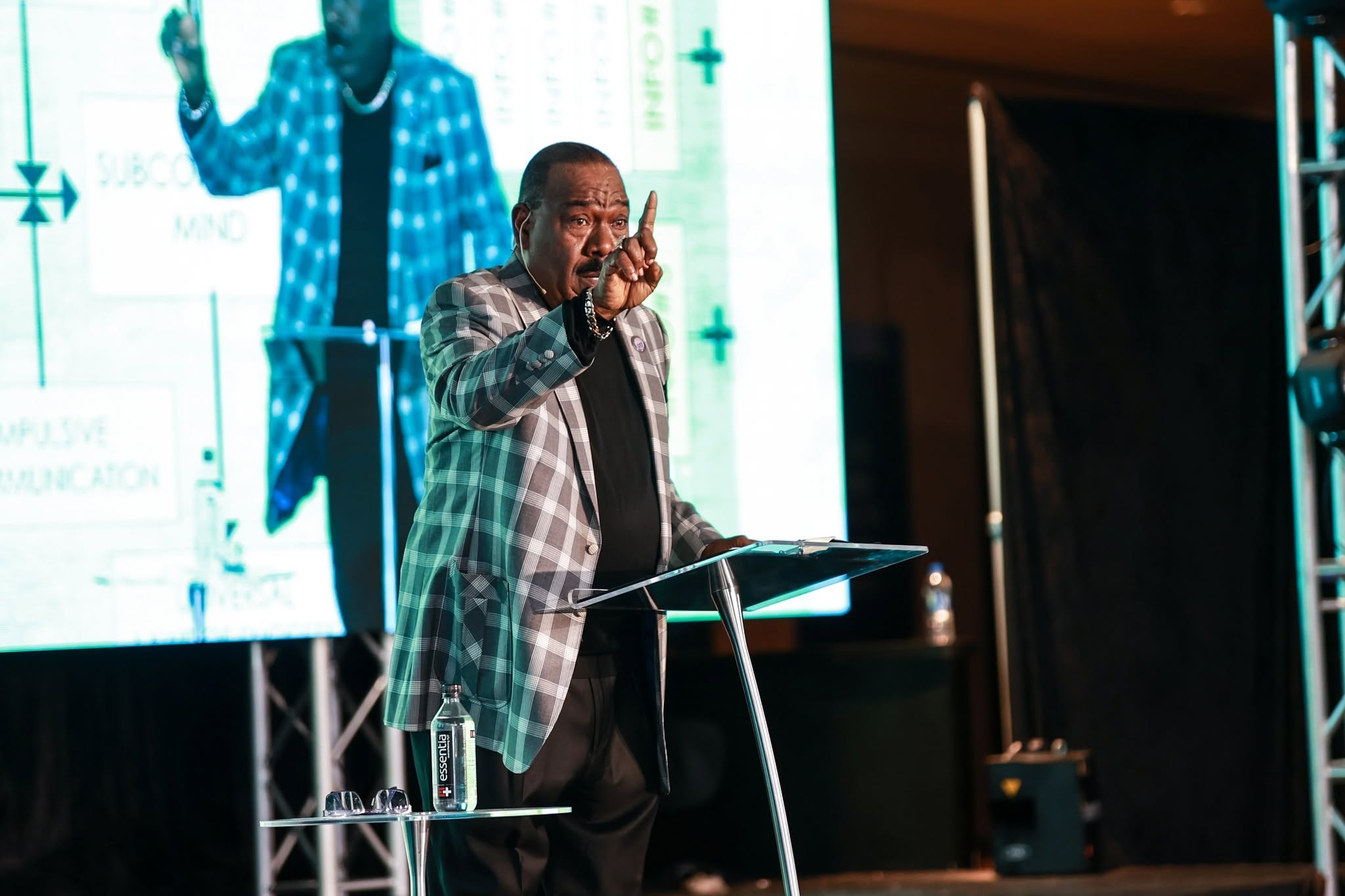
The conference is a major fixture on New Light’s calendar. Hilliard launched the Church Development Strategies Conference in 1995, and it has since become one of the best-known gatherings of its kind, drawing thousands of pastors and leaders to Houston each year to learn church strategy, growth, and development principles. That context matters because the appeal did not happen in an obscure corner of the internet. It happened on the stage of a prominent conference, in front of a live audience, and it was recorded.
Who is I.V. Hilliard?
Ira V. Hilliard is a native Houstonian who says he was called to preach at the age of nine and preached his first sermon on a Mother’s Day night at the age of ten. He married Bridget E. Harrison on October 4, 1975, and together the couple co-founded New Light Christian Center Church, which has grown into a megachurch with locations across Houston as well as in Beaumont and Austin, Texas.
In September 2007, New Light was named one of the Top 50 Most Influential Churches in America. The church also runs a nationwide television ministry and a credit union. Hilliard was confirmed as a bishop in February 2007, and in 2001 he founded the Association of Independent Ministries, an organization of pastors who regard him as a spiritual father or mentor, which now counts 1,000 pastors.
In January 2018, after a decade of mentoring his daughter, Hilliard appointed Dr. Irishea Hilliard as the church’s senior pastor. After more than three decades of leading New Light, Hilliard and his wife have shifted their focus toward full-time evangelism, while remaining the public faces of the ministry’s conferences and gatherings.
That long history is part of why the clip has traveled as far as it has. Hilliard is not a marginal figure. He is a pastor to pastors, a conference headliner, and a mentor to a thousand ministers. When a figure of that standing makes a giving appeal with a specific price attached, the reaction is correspondingly larger.
What happens next
For now, the story is a debate, not a scandal with new facts emerging. No statement from Hilliard or New Light addressing the criticism had surfaced in the coverage reviewed as of October 24. The reaction video continues to circulate, and the argument it started — about grace, giving, and where one ends and the other begins — is playing out in comment sections and follow-up videos.
That is often how these stories go. The clip itself is short. The argument it starts is long, because it is not really about one offering at one conference. It is about a question that has divided churches for decades: when a preacher names a number and names a blessing in the same breath, is he inviting faith, or is he selling favor? Hilliard’s $200 appeal has simply given that question its newest example.
About the Author