SHREVEPORT, Louisiana — A woman who says she spent most of this year inside the Shreveport, Louisiana congregation of Full Gospel Holy Temple has come forward with allegations of grooming against the congregation’s pastor, in a video statement that has added a new chapter to the controversy surrounding the church organization overseen by Apostle Herman Murray Jr.
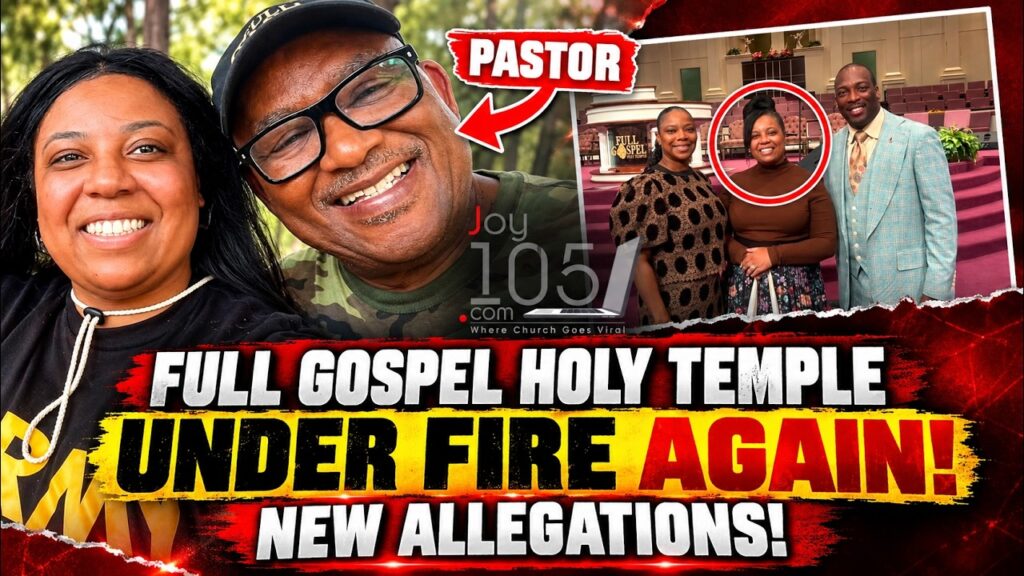
The statement was published October 19, 2026, by Joy105, a church-news commentary channel with more than 130,000 subscribers, under the title “Apostle Herman Murray’s Full Gospel Holy Temple Under Fire Again As Woman Makes New Allegations!” The video, just over eight minutes long, contains no narration from the channel: it is the woman’s own spoken account from beginning to end, and it drew more than 3,800 views in its first day.
Two facts must be stated plainly at the outset. The woman does not give her name in the video, and she never names the pastor she accuses — she refers to him only as “the pastor” or “that leader.” No documents, screenshots, recordings, or other evidence are shown. Joy105’s own description states that the allegations “have not been independently verified,” and The Gospel Report has not verified them either. Neither the congregation, its pastor, nor Apostle Murray is heard responding in the video.
Seven Months Inside the Shreveport Congregation
The woman says she joined the Shreveport congregation in early March 2026 and remained until a few weeks before the video was published. By her account, she was not a casual attendee: she describes being heavily used in the life of the church, traveling and testifying about God’s goodness in her life, and being treated like a daughter or a sister by members — until she left.
That closeness, she says, is what makes what followed so painful for her. People she had been close to, she says, acted as though she never existed once she was gone.
The Grooming Allegations
The heart of her statement is an accusation that she was, in her words, unknowingly groomed by the pastor — and that, being naive and vulnerable, she did not recognize it at the time.
She alleges that the pastor sent her money and arranged to meet her alone. She says he talked with her about masturbation and sex, kissed her on the face, and grabbed her waist. She says he told her he was still tempted by women and that she looked good, and that he complimented her skirts and her appearance, as she put it, a little too often. He had, she says, a way with words.
She also describes the conduct of others in the congregation. After she testified publicly about having dealt with homosexuality in her past, she says a female member of the church preyed on that vulnerability: asking for pictures of how she used to look, confiding her own marital infidelity and her own past struggles with homosexuality, talking about nude photos on her phone, resting her head on the woman’s shoulder, caressing her arm, calling almost every day, and gossiping about everyone in the church. When the woman finally blocked the member’s number, she says, the relationship turned cold overnight.
She describes a second figure — an evangelist from the church, in her words a “so-called evangelist” — as having faked a friendship with her, and as having disappeared when things became rocky.
Her overall judgment of the congregation is severe: she characterizes it as a place whose foundation is struggling with confusion, ignorance, and lust. Those are her words, offered without supporting documentation in the video, and readers should weigh them as one former member’s account — nothing more, and nothing less.
The Phone Call She Says She Recorded
The most consequential claim in the statement concerns what she says happened after she left the church. She says she received a phone call from the pastor — a call she recorded — in which, she alleges, he admitted to everything she describes, while insisting he had meant nothing by it: no ill intentions behind the kisses on her face, the grabbing of her waist, or the sexual conversations.
She says that during that call she proposed three or four times that the pastor’s wife join the conversation, and that he brushed the suggestion off each time.
The recording itself is not played in the video. Viewers are asked to take her word for what it contains. If such a recording exists and were released, it would materially change the evidentiary picture; as things stand, the claim of a recorded admission is itself an unverified allegation. In a closing text card, Joy105 quoted her as saying that she thought leaving the church would be the end of it — until that phone call came.
A Warning — and a Trail of Questions
The woman closes by questioning whether everything she experienced at Full Gospel Holy Temple was, as she put it, a manipulated lie, and by offering what she calls a warning to anyone looking for a church in the Shreveport area. She stops short of telling people not to attend; her stated purpose, she says, is that people need to be aware of what is going on.
What her statement does not contain is almost as notable as what it does. There are no names — not hers, not the pastor’s, not the female member’s, not the evangelist’s. There are no dates for the alleged incidents beyond the span of her membership, from March 2026 until a few weeks ago. There is no mention of a police report, a complaint to the fellowship’s national leadership, or any attempt to reach the church for comment. And there is no word from Apostle Herman Murray Jr. himself: he is named in the video’s title and description as the overseer of the organization, but the woman’s account does not mention him at all.
That structure cuts both ways. Anonymity may protect a vulnerable person who fears retaliation from a community she has just left. It also means that a pastor — identifiable to anyone familiar with the Shreveport congregation, even unnamed — stands accused of grooming without a formal forum in which to answer, and without the public being able to test a single piece of evidence.
A Fellowship Already Under Scrutiny
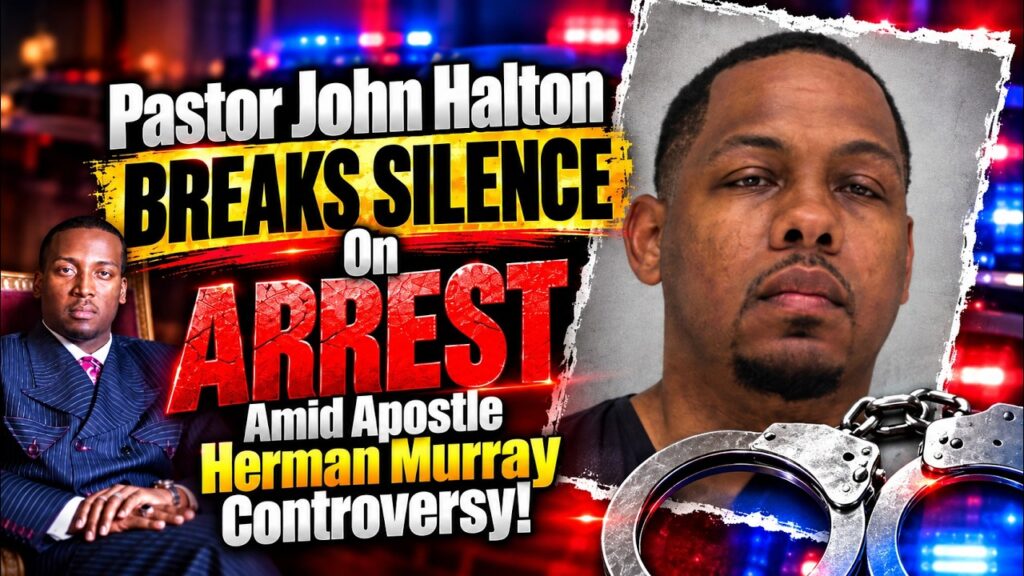
The video arrives in the middle of a difficult year for Full Gospel Holy Temple’s public image. Barely a week ago, The Gospel Report covered former Full Gospel pastor John Halton publicly addressing his arrest amid this same controversy — a story that has drawn sustained reader interest. Over the summer, former members aired grievances about the ministry online, and Murray himself previously addressed accusations that his church operates like a cult.
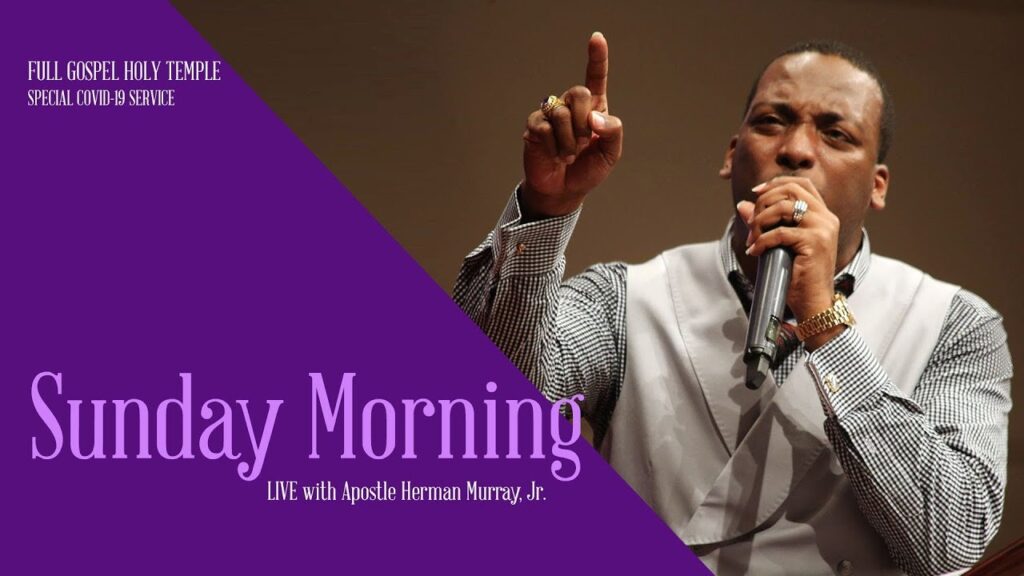
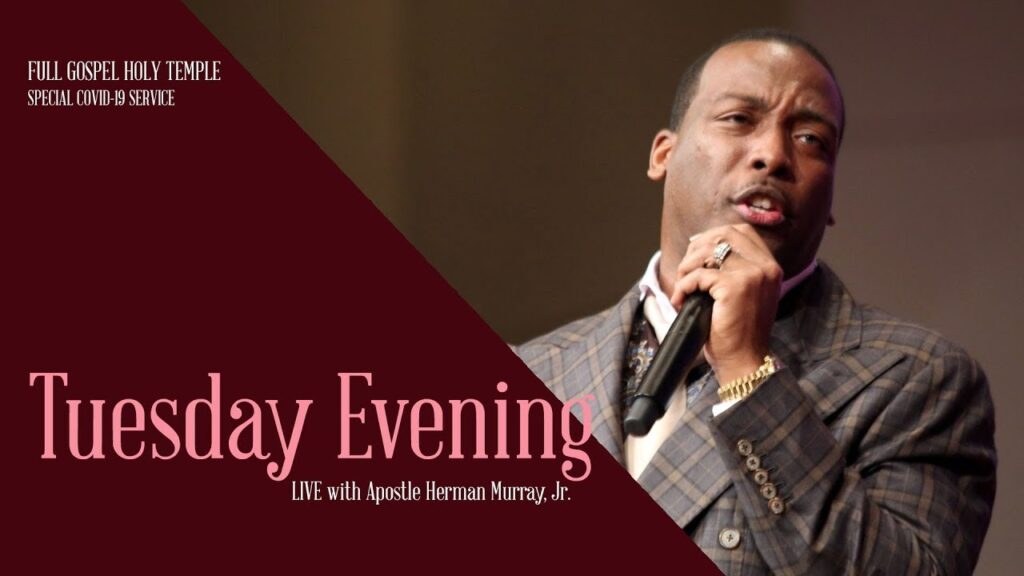
The organization behind the Shreveport congregation is a significant one. Full Gospel Holy Temple was founded in Dallas in 1961 by the late Apostle Lobias Murray — Herman Murray’s grandfather — beginning with six members in a barbecue pit, and has grown into a fellowship of 34 churches across the country with thousands of members, headquartered at 39727 LBJ Freeway in Dallas. Herman Murray Jr. succeeded his grandfather as the organization’s overseer in 2011. The Shreveport church is one of those fellowship congregations, which is why a dispute inside a single Louisiana sanctuary now carries the name of the national leader in its headline.
What Would Settle the Questions
Allegations of this kind deserve neither instant belief nor instant dismissal. They deserve evidence. In this case, the evidence that would matter most is specific and identifiable: the phone recording the woman says she made; any messages or financial records supporting her account; a response from the Shreveport pastor she describes; and a statement from the national organization about whether it is aware of the claims and whether it intends to look into them.
Until some of that surfaces, the story remains what it is today: one unnamed woman’s detailed, serious, and unverified account of seven months inside a Shreveport congregation, amplified by a commentary channel to an audience far beyond Louisiana. The Gospel Report will update this story if the recording is released, if the church or its pastor responds, or if any authority confirms an investigation.
If you have direct knowledge of this story, contact The Gospel Report. As with all developing stories, readers are encouraged to distinguish between verified reporting and commentary.
About the Author